
The Turquoise Stick Insect is a striking and unusual invertebrate with shimmering blue-green colouration. They make an ideal pet for beginners with their low-maintenance care, making them perfect for a small terrarium setup.
| PSG | 343 |
|---|---|
| Origin | Peleng Island, Indonesia |
| Adult Size | 8–10cm |
| Suitability | Beginner-friendly, calm and easy to observe |
| Lifespan | Year plus |
| Food Type | Bramble and Raspberry |
The Turquoise Stick Insect is slender and elongated, with a stunning turquoise-blue hue that can shimmer under light. Adults typically reach 8–10cm in length, with a delicate body structure that blends perfectly with leafy foliage. They have small legs and antennae that enhance their camouflaged, stick-like appearance.
Despite their fragile look, these insects are gentle and easy to observe, making them a fascinating addition to any insect collection. Their colour can vary slightly depending on lighting and diet, adding to their visual appeal.
Native to the tropical forests of Peleng Island in Indonesia, these stick insects thrive in humid, warm climates with abundant foliage. In the wild, they are often found resting on leaves and branches, relying on their camouflage to avoid predators. Their environment is rich in greenery, providing plenty of food and hiding spots throughout the day.
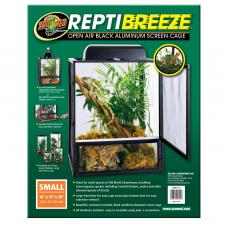
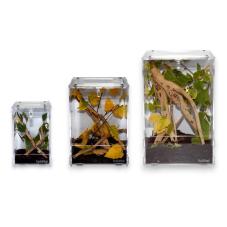
Turquoise Stick Insects are straightforward to care for in captivity. A small, well-ventilated terrarium of at least 30cm height is sufficient for a small group. Use a substrate that retains humidity, such as coconut fibre and maintain moderate humidity levels around 60–70%.
Provide plenty of fresh branches and leaves for climbing and feeding. They enjoy a diet of bramblea nd raspberry. Ensure the enclosure has a gentle misting routine to keep humidity stable, but avoid soaking the insects directly.
These insects prefer room temperatures between 20–25C (68–77F) and do not require additional lighting beyond normal room light. Care should be taken when handling, as their delicate legs can break easily, but they are excellent for observation and educational purposes.