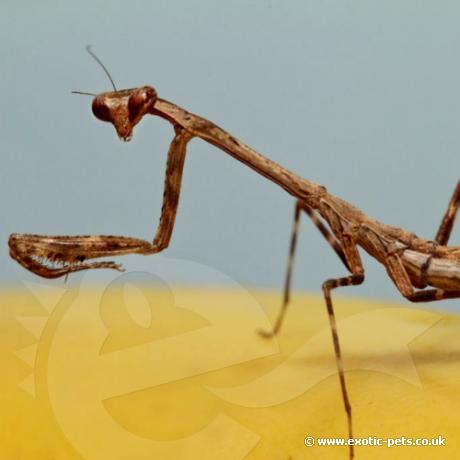
The Peacock Mantis is a medium-sized mantid, 7-9cm long, with slender brown limbs. When threatened, adults display striking red wing flashes with a bold “bullseye” pattern to deter predators, making them captivating for observation.
| Origin | Southeast Asia |
|---|---|
| Environment | Tropical forests |
| Adult Size | 7–9cm |
| Suitability | Beginner-friendly, can be handled safely |
| Lifespan | Year plus |
| Food Type | Live insects - fruit flies, crickets, locusts |
The Peacock Mantis is medium-sized, growing to 7-9cm in length. Its body is slender, with straight brown limbs that help it blend naturally into branches and dry foliage. Adult mantids have large wings that remain folded at rest but can be spread wide to reveal bright red flashes and a bold “bullseye” pattern during defensive displays, making them appear larger to scare off predators.
Its triangular head and large eyes provide excellent vision for tracking prey, and its slow, deliberate movements make it fascinating to watch.
Peacock Mantises originate from the tropical forests of Southeast Asia. They live among shrubs and low vegetation, relying on their natural brown colouration for camouflage.
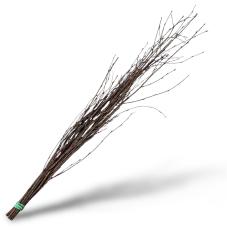
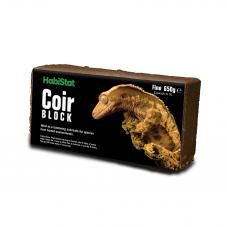
Peacock Mantids must be housed individually in a ventilated terrarium at least 30cm tall for adults. Use a substrate such as coconut fibre or moss to maintain moderate humidity 50–70%, and provide thin branches, sticks and foliage for climbing and resting. Keep the enclosure at 22–28C (72–82F) with normal lighting.
Feed small live insects such as fruit flies, house flies, crickets or locusts, depending on age and size. These mantids can be gently handled and are excellent for observation, allowing keepers to appreciate their unique defensive wing displays up close.